Your wedding lehenga is more than just an outfit—it is one of the most memorable pieces you will wear on your special day. From the fabric and colour to the embroidery, silhouette, blouse design, and finishing details, every element contributes to your overall bridal look. With countless designs available today, choosing the right lehenga can sometimes feel overwhelming.
The perfect wedding lehenga should complement your personality, wedding theme, body shape, comfort preferences, and jewellery while allowing you to feel confident throughout the celebrations. Whether you prefer a traditional red bridal lehenga, a pastel ensemble, or a contemporary designer look, thoughtful planning can help you make the right choice.
If you are considering a customised outfit, services such as Boutique on Call can also make the process more convenient by helping you explore styling and tailoring options according to your requirements.
Start by Understanding Your Personal Style
Before looking at specific lehenga designs, think about the kind of bridal look you want. Your personal style should be the starting point rather than simply following the latest fashion trend.
Consider whether you prefer:
- Traditional and heavily embroidered lehengas
- Minimal and elegant bridal outfits
- Contemporary pastel designs
- Royal and luxurious velvet ensembles
- Floral or nature-inspired embroidery
- Classic red, maroon, or pink bridal colours
- Modern combinations such as ivory, champagne, or blush
- Fusion designs with unconventional blouse styles
Create a small collection of designs you genuinely like. This can help you identify common patterns in your preferences, such as certain colours, embroidery styles, necklines, or silhouettes.
It is also important to consider your personality. A bride who prefers understated fashion may feel uncomfortable in an extremely embellished outfit, while someone who loves statement fashion may want intricate embroidery and dramatic details.
Choose the Right Lehenga Colour
Colour has a major influence on the appearance of your wedding lehenga. While traditional bridal red remains popular, modern brides have a wide variety of options.
Red, maroon, and wine shades create a classic bridal appearance, while pink and coral can give the outfit a softer and more romantic feel. Pastel shades such as blush, peach, lavender, mint, and powder blue are popular for contemporary celebrations.
When selecting a colour, consider your wedding venue, décor, lighting, jewellery, and overall theme. A heavily decorated venue may pair beautifully with a rich traditional colour, while a daytime outdoor wedding may suit lighter shades.
Your choice should also work well with your accessories. Gold embroidery generally creates a warm and traditional appearance, whereas silver or diamond-like embellishments can provide a more contemporary finish.
Select a Silhouette That Complements You
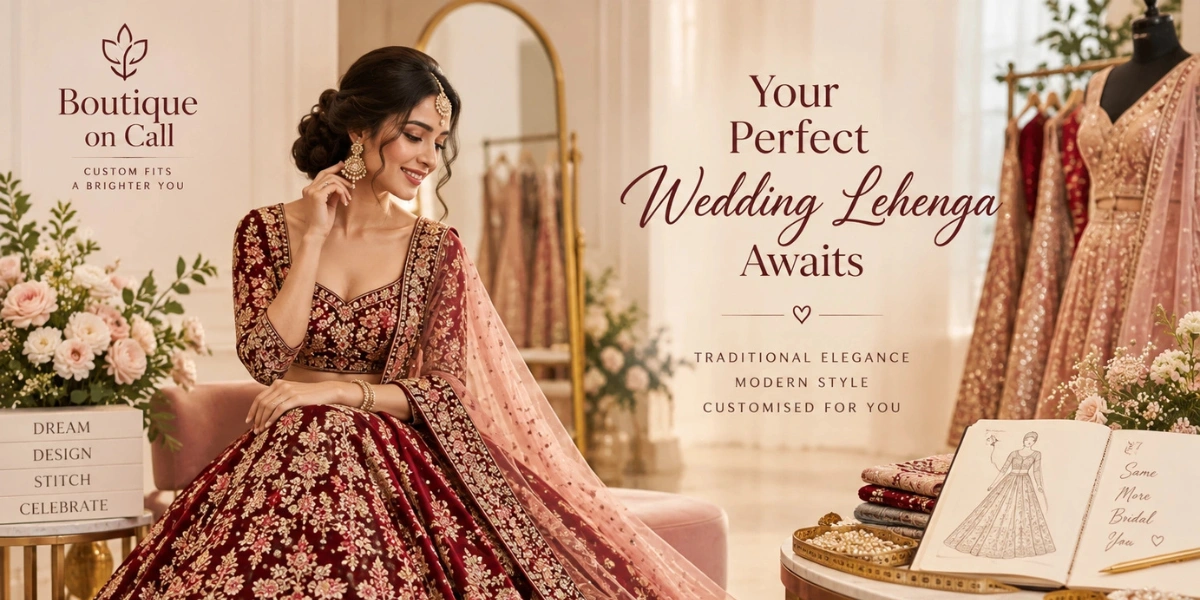
The silhouette of your lehenga determines how the outfit falls and how comfortable it feels when you move. Different cuts can create very different visual effects.
Popular options include:
- A-line lehengas for a balanced appearance
- Flared circular lehengas for a traditional bridal look
- Panelled lehengas for structured volume
- Mermaid-style lehengas for a fitted contemporary appearance
- Layered lehengas for additional movement and drama
Do not select a silhouette simply because it looks attractive on a model. Body proportions, height, comfort, and the weight of the outfit can influence how the design looks on you.
A well-fitted lehenga should allow you to sit, walk, dance, and move comfortably. This is especially important because wedding celebrations can continue for several hours.
Pay Attention to Fabric Selection
The fabric you choose affects the lehenga’s appearance, weight, comfort, and fall. Some fabrics create structure, while others provide softness and movement.
Silk and brocade can offer a luxurious traditional appearance. Velvet works well for winter weddings and creates a rich, royal finish. Georgette, chiffon, and lightweight fabrics can provide fluidity and are often suitable for brides who prefer easier movement.
When choosing fabric, consider the season and venue. Heavy fabrics and extensive embellishments may become uncomfortable during a summer wedding, particularly for outdoor ceremonies.
For a comfortable bridal outfit, the fabric should balance aesthetics with practicality. You should be able to wear the lehenga for an extended period without constantly adjusting it.
Consider the Embroidery and Work
Embroidery is one of the defining features of a wedding lehenga. It can transform a simple silhouette into a statement bridal ensemble.
Common embellishment techniques include:
- Zari work
- Zardozi embroidery
- Sequins
- Thread embroidery
- Beadwork
- Mirror work
- Stone embellishments
- Resham embroidery
- Appliqué details
Think about how much embellishment you actually want. A heavily embroidered lehenga can create a grand bridal appearance, while strategically placed embroidery can look sophisticated and elegant.
Pay attention to where the embroidery is concentrated. Designs with detailed borders can emphasise the hemline, while vertical patterns may create a lengthening effect. A decorated blouse can draw attention toward the upper body, whereas an ornate dupatta can become the focal point of the outfit.
Get the Blouse Design Right
The blouse is an important part of the overall bridal look because it frames your face and interacts closely with your jewellery and dupatta.
You can experiment with different necklines, sleeves, backs, and decorative details. Depending on your preference, you may choose a sweetheart neckline, round neckline, boat neck, high neck, or contemporary deep-back design.
Sleeve length can also change the character of the outfit. Full sleeves can create an elegant and traditional appearance, while short or sleeveless designs can feel more modern.
Most importantly, the blouse should fit properly. Even a beautiful lehenga can lose its appeal if the blouse is too tight, too loose, or uncomfortable around the shoulders and arms.
If you are searching for a Lehenga Tailor Near me, look for someone experienced in bridal tailoring who understands measurements, fitting, fabric behaviour, and detailed finishing.
Choose a Dupatta Style Carefully
The dupatta can completely change how your bridal lehenga looks. You can wear one dupatta traditionally over the head or experiment with a two-dupatta styling approach.
A lightweight dupatta can provide an elegant appearance, while an embellished one can add richness to a relatively simple lehenga.
Consider the embroidery and border of the dupatta when making your choice. It should complement rather than compete with the lehenga.
The draping style should also be practical. Since brides often move between different wedding rituals, the dupatta should remain secure while allowing comfortable movement.
Match Your Lehenga With Jewellery
Jewellery and the lehenga should create a coordinated look. Before finalising your outfit, think about your necklace, earrings, maang tikka, bangles, and other accessories.
A heavily embellished lehenga may work best with carefully balanced jewellery, while a simpler lehenga can provide an opportunity for statement pieces.
Gold jewellery pairs naturally with traditional red, maroon, and warm-toned outfits. Polki and kundan jewellery can enhance a royal bridal aesthetic, while diamond-inspired pieces may work beautifully with pastel or contemporary ensembles.
Try to maintain visual balance. Too many competing statement elements can make the overall appearance look crowded.
Think About Your Wedding Venue and Season
Your wedding environment should influence your lehenga selection. The same outfit may feel perfect for a winter indoor celebration but uncomfortable for a summer outdoor ceremony.
For summer weddings, breathable and relatively lightweight fabrics can make a significant difference. For winter weddings, richer fabrics such as velvet or heavier silk can provide both warmth and a luxurious appearance.
Also consider the venue. A grand indoor venue may complement elaborate embroidery and dramatic silhouettes, while a daytime garden wedding may work better with lighter colours and softer fabrics.
Prioritise Comfort Along With Style
Bridal fashion should look beautiful, but comfort should never be overlooked. You may spend several hours wearing your lehenga during ceremonies, photographs, meals, and celebrations.
Before finalising the outfit, check:
- Whether you can walk comfortably
- Whether the blouse allows easy arm movement
- Whether the lehenga waist feels comfortable
- Whether the outfit is excessively heavy
- Whether the dupatta stays securely in place
- Whether the footwear works with the lehenga length
A comfortable bride is more likely to enjoy the wedding and feel confident in photographs.
Work With an Experienced Tailor for Custom Fitting
A ready-made lehenga may not provide the precise fit you need. Custom tailoring can help adjust the blouse, waist, length, flare, sleeves, and other details according to your measurements.
If you are getting married in Gurgaon, working with a local professional can make fittings and alterations easier. For example, someone looking for a Lehenga Tailor in Sector 40 Gurgaon can benefit from having a nearby tailor for measurements, trials, and last-minute adjustments.
When selecting a tailor, ask about their experience with bridal outfits. Bridal lehengas often involve delicate fabrics, extensive embroidery, multiple layers, and intricate finishing, so experience matters.
A professional Tailor in Sector 40 Gurgaon can also help you understand which alterations are practical based on the lehenga’s construction.
Plan Your Fittings in Advance
Never leave bridal tailoring until the last minute. Custom outfits generally require multiple stages, including measurements, initial stitching, fitting, alterations, and final finishing.
Ideally, schedule your first fitting well before the wedding. This gives your tailor enough time to identify fitting issues and make adjustments.
During your fitting, move around instead of simply standing in front of a mirror. Sit down, raise your arms, walk, and check the blouse and waistband from different angles.
Also wear the footwear you plan to use with the lehenga during the final fitting. This helps ensure that the length is appropriate.
Balance Trends With Timeless Design
Wedding photographs are likely to remain important for many years, so consider whether you will still appreciate your chosen design in the future.
You do not have to avoid trends completely. Instead, incorporate current trends through details such as blouse cuts, embroidery patterns, dupatta styling, or colour combinations while keeping the primary silhouette relatively timeless.
This approach can give you a fashionable bridal appearance without making the outfit feel overly dependent on a particular trend.
Set a Realistic Budget
Before shopping, establish a budget for the complete bridal look rather than focusing only on the lehenga.
Your total cost may include:
- Lehenga
- Blouse customisation
- Dupatta
- Tailoring and alterations
- Jewellery
- Footwear
- Accessories
- Additional styling elements
If you have a fixed budget, prioritise the elements that matter most to you. For some brides, fabric and craftsmanship may be more important than extensive embellishment. Others may prefer investing in a statement blouse or customised embroidery.
Planning the budget early can prevent unnecessary last-minute expenses.
Final Checklist Before Buying Your Wedding Lehenga
Before making the final decision, take a moment to review the complete outfit.
Ask yourself:
- Does the colour complement my overall bridal look?
- Is the silhouette comfortable?
- Does the blouse fit properly?
- Is the fabric appropriate for the season?
- Can I move comfortably?
- Does the embroidery match my preferred style?
- Does it coordinate with my jewellery?
- Is the dupatta practical?
- Does the outfit fit within my budget?
- Have I allowed enough time for alterations?
If the answer to these questions is yes, you are much more likely to be happy with your choice.
Make Your Wedding Lehenga Truly Yours
The perfect wedding lehenga does not necessarily have to be the most expensive or heavily embellished outfit. It should be a reflection of your personal style while providing the right combination of beauty, comfort, fit, and practicality.
Take time to explore colours, fabrics, embroidery, silhouettes, blouse designs, and dupatta styles before making your decision. If you prefer a personalised outfit, professional tailoring can help transform your preferred design into a lehenga that fits your measurements and vision.
Most importantly, choose an outfit that makes you feel confident and comfortable. Trends may change, but the memories and photographs from your wedding will remain for years. A thoughtfully selected and well-tailored lehenga can help make those memories even more special.